Find Treatment By
Rehabs by Location


Find Treatment By
Learn
About Us
Recovery.com combines independent research with expert guidance on addiction and mental health treatment. Our mission is to help everyone find the best path to recovery through the most comprehensive, helpful network of treatment providers worldwide.
Advisory Council
Our advisory council brings together leaders in behavioral health, technology, and business. Their diverse expertise ensures our resources and product are innovative, evidence-based, and effective. They guide our mission as accomplished individuals dedicated to improving the landscape of addiction recovery and mental wellness.




The Haven Detox - Arizona Detox & Residential Care
Verified Center
This provider's information has been quality-checked by Recovery.com's Research Team for accuracy and completeness, including center verification through appropriate third-party organizations.
Treatment Focus
This center treats substance use disorders and co-occurring mental health conditions. Your treatment plan addresses each condition at once with personalized, compassionate care for comprehensive healing.
Primary Level of Care
Offering intensive care with 24/7 monitoring, residential treatment is typically 30 days and can cover multiple levels of care. Length can range from 14 to 90 days typically.
Treatment Focus
This center treats substance use disorders and co-occurring mental health conditions. Your treatment plan addresses each condition at once with personalized, compassionate care for comprehensive healing.
Primary Level of Care
Offering intensive care with 24/7 monitoring, residential treatment is typically 30 days and can cover multiple levels of care. Length can range from 14 to 90 days typically.
Provider's Policy
Most treatment plans are covered by insurance plans with little or no cost to you. The specialized insurance team at The Haven Detox will verify your coverage, benefits, and requirements to ensure that your medical needs can be met without significant financial strain.
The Haven Detox - Arizona Detox & Residential Care
The Haven Detox - Arizona Detox & Residential Care
About The Haven Detox - Arizona Detox & Residential Care
Located near Tucson, The Haven Detox – Arizona helps people get their lives back on track through medically managed detox and residential treatment for substance use and co-occurring mental health conditions. Their team builds plans for withdrawal support, stabilization, and next-step care. With admissions available 24/7 and airport pickup, clients can start treatment quickly and focus on breaking the cycle of addiction.
Find the Right Therapy Mix
Treatment at The Haven Detox – Arizona helps clients understand what’s driving substance use and build daily tools for stability. In individual and group sessions, therapists use approaches like cognitive behavioral therapy (CBT) and motivational interviewing (MI) to reframe thought patterns, strengthen motivation, and practice relapse-prevention skills. Options like yoga, meditation, and fitness can also help clients regulate stress and sleep so recovery feels sustainable, not just possible.
Heal in a Retreat-Like Setting
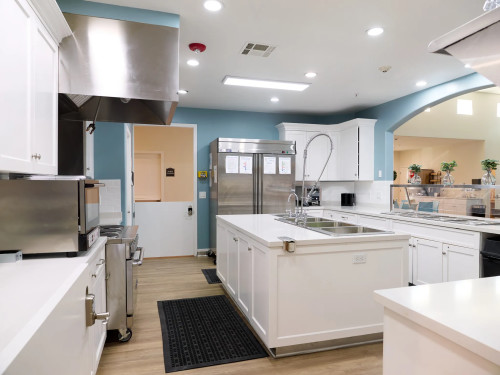
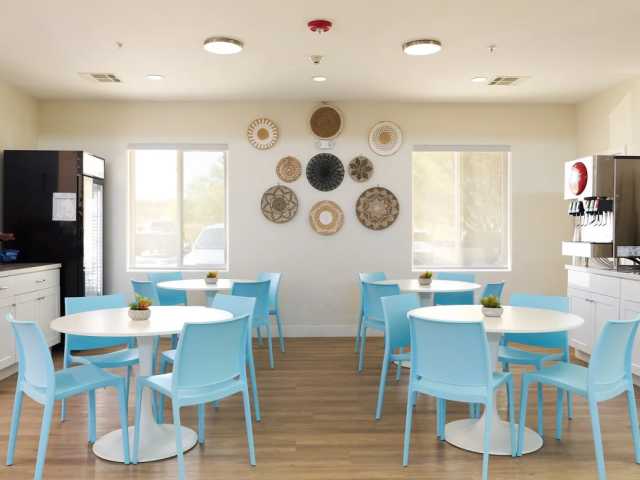
At The Haven Detox – Arizona, clients can start the day with mountain views and a quiet, retreat-like atmosphere. Between groups and check-ins, they can relax in inviting common areas, enjoy professionally catered meals, or move their body on the basketball court. Time in the game room offers a low-pressure way to reconnect with others. With laundry and housekeeping handled, clients can stay present and focused on healing.
Stay Connected with Alumni Support and Planning
Recovery planning doesn’t stop at discharge. The Haven Detox – Arizona helps clients map out relapse-prevention steps, supportive routines, and next-level care for life back home. Their alumni program keeps connection going with regular check-ins, weekly virtual meetings, and sober community events, so clients aren’t left to navigate recovery alone. When needs change, the alumni team can also help connect clients with local resources like therapy, support groups, or sober living.

Highlights from the Center
Highlights
These highlights are provided by and paid for by the center.
Medically Assisted Detox
Private Rooms Available
Spanish and English
Addiction Recovery
Center Overview
Treatment Focus
This center treats substance use disorders and co-occurring mental health conditions. Your treatment plan addresses each condition at once with personalized, compassionate care for comprehensive healing.
Joint Commission Accredited
The Joint Commission accreditation is a voluntary, objective process that evaluates and accredits healthcare organizations (like treatment centers) based on performance standards designed to improve quality and safety for patients. To be accredited means the treatment center has been found to meet the Commission's standards for quality and safety in patient care.
Insurance Accepted












Recovery.com Verified Listing
Recovery.com verified that the name, location, contact information and license to operate for this treatment provider are valid and up-to-date.
Joint Commission Accredited

Licensed by Arizona DHS
Recovery.com is an independent, third-party mental health resource. Verification does not imply endorsement and does not guarantee the quality of treatment services.
Meet Your Care Team

Karen Canulla
Medical Director - Medical
MD

Kylie Rein
Clinical Director - Clinical
LCSW

Vanessa Berrones
Director of Nursing - Medical
MSN, RN, LSSGB, MBA

Kendra Luciano
Office Manager - Patient Support

Azucena Silva
Executive Director - Clinical
Your Care Options
Specializations
Alcohol
Using alcohol as a coping mechanism, or drinking excessively throughout the week, signals an alcohol use disorder.
Detox
Detox fully and safely removes toxic substances from the body, allowing the next steps in treatment to begin with a clean slate.
Medication-Assisted Treatment
Combined with behavioral therapy, prescribed medications can enhance treatment by relieving withdrawal symptoms and focus patients on their recovery.
Residential
In a residential rehab program, patients live onsite, with access to daily treatment and 24-hour care. An average stay is 30-90 days.
Who We Treat
Men and Women
Men and women attend treatment for addiction in a co-ed setting, going to therapy groups together to share experiences, struggles, and successes.
Treatment Services
Detox
Detox fully and safely removes toxic substances from the body, allowing the next steps in treatment to begin with a clean slate.
Detox (on-site with residential)
This is often the first step of addiction treatment. For many people, it's dangerous to detox without proper medical support.
Licensed Primary Mental Health
Some primary care providers offer mental health diagnosis and treatment. This can prevent patients from developing more serious conditions.
Residential
In a residential rehab program, patients live onsite, with access to daily treatment and 24-hour care. An average stay is 30-90 days.
Approaches
Evidence-Based
A combination of scientifically rooted therapies and treatments make up evidence-based care, defined by their measured and proven results.
Holistic
A non-medicinal, wellness-focused approach that aims to align the mind, body, and spirit for deep and lasting healing.
Individual Treatment
Individual care meets the needs of each patient, using personalized treatment to provide them the most relevant care and greatest chance of success.
Strengths-Based
Providers using a strengths-based philosophy focus on the positive traits of their patients, creating a positive feedback loop that grows confidence.
Therapies
1-on-1 Counseling
Patient and therapist meet 1-on-1 to work through difficult emotions and behavioral challenges in a personal, private setting.
Acceptance and Commitment Therapy (ACT)
This cognitive behavioral therapy teaches patients to accept challenging feelings and make the appropriate changes to reach personal goals.
Medication-Assisted Treatment
Combined with behavioral therapy, prescribed medications can enhance treatment by relieving withdrawal symptoms and focus patients on their recovery.
Meditation & Mindfulness
A practiced state of mind that brings patients to the present. It allows them to become fully aware of themselves, their feelings, and the present moment.
Mindfulness-Based Cognitive Therapy
MBCT combines mindfulness practices—like meditation—with cognitive therapy techniques to help patients work through negative thought patterns.
Motivational Interviewing
Based on the idea that motivation to change comes from within, providers use a conversational framework to discover personalized methods for change.
Languages
Conditions We Treat
ADHD, ADD
ADHD is a common mental health condition caused by dopamine imbalance. Common symptoms include inattention, hyperactivitiy, and impulsivity.
Anger
Although anger itself isn't a disorder, it can get out of hand. If this feeling interferes with your relationships and daily functioning, treatment can help.
Anxiety
Anxiety is a common mental health condition that can include excessive worry, panic attacks, physical tension, and increased blood pressure.
Bipolar
This mental health condition is characterized by extreme mood swings between depression, mania, and remission.
Chronic Pain Management
Long-term physical pain can have an affect on mental health. Without support, it can also impact your daily life and even lead to addiction.
Codependency
Codependency is a pattern of emotional dependence and controlling behavior. It's most common among people with addicted loved ones.
Depression
Symptoms of depression may include fatigue, a sense of numbness, and loss of interest in activities. This condition can range from mild to severe.
Eating Disorders
An eating disorder is a long-term pattern of unhealthy behavior relating to food. Most people with eating disorders have a distorted self-image.
Grief and Loss
Grief is a natural reaction to loss, but severe grief can interfere with your ability to function. You can get treatment for this condition.
Substances We Treat
Alcohol
Using alcohol as a coping mechanism, or drinking excessively throughout the week, signals an alcohol use disorder.
Benzodiazepines
Benzodiazepines are prescribed to treat anxiety and sleep issues. They are highly habit forming, and their abuse can cause mood changes and poor judgement.
Chronic Relapse
Consistent relapse occurs repeatedly, after partial recovery from addiction. This condition requires long-term treatment.
Co-Occurring Disorders
A person with multiple mental health diagnoses, such as addiction and depression, has co-occurring disorders also called dual diagnosis.
Cocaine
Cocaine is a stimulant with euphoric effects. Agitation, muscle ticks, psychosis, and heart issues are common symptoms of cocaine abuse.
Drug Addiction
Drug addiction is the excessive and repetitive use of substances, despite harmful consequences to a person's life, health, and relationships.
Ecstasy
Ecstasy is a stimulant that causes intense euphoria and heightened awareness. Abuse of this drug can trigger depression, insomnia, and memory problems.
Heroin
Heroin is a highly addictive and illegal opioid. It can cause insomnia, collapsed veins, heart issues, and additional mental health issues.
Methamphetamine
Methamphetamine, or meth, increases energy, agitation, and paranoia. Long-term use can result in severe physical and mental health issues.
Aftercare
Care Designed for Your Needs
Personal Amenities
Amenities
Special Considerations
Healthy Meals are provided
Great food meets great treatment, with providers serving healthy meals to restore nutrition, wellbeing, and health.
Gender-specific groups
Patients in gender-specific groups gain the opportunity to discuss challenges unique to their gender in a comfortable, safe setting conducive to healing.
Activities
Learn More About the Center
Comprehensive Residential Care for Addiction
Explore how residential treatment combines structure, support, and momentum for lasting change.
Arizona Addiction Resources
Compare Arizona treatment options that speed admission, ease withdrawal, and support dual diagnosis.
Addiction Treatment in Arizona
Discover how daily structure and personalized care can turn early progress into stability.
Introduction to 3-Day Alcohol Detox
See what a 3-day alcohol detox may involve, from symptoms to support.