Find Treatment By
Rehabs by Location


Find Treatment By
Learn
About Us
Recovery.com combines independent research with expert guidance on addiction and mental health treatment. Our mission is to help everyone find the best path to recovery through the most comprehensive, helpful network of treatment providers worldwide.
Advisory Council
Our advisory council brings together leaders in behavioral health, technology, and business. Their diverse expertise ensures our resources and product are innovative, evidence-based, and effective. They guide our mission as accomplished individuals dedicated to improving the landscape of addiction recovery and mental wellness.




Soul Surgery Rehab
Treatment Focus
This center treats substance use disorders and co-occurring mental health conditions. Your treatment plan addresses each condition at once with personalized, compassionate care for comprehensive healing.
Primary Level of Care
Offering intensive care with 24/7 monitoring, residential treatment is typically 30 days and can cover multiple levels of care. Length can range from 14 to 90 days typically.
This provider hasn't verified their profile's information. Are you the owner of this center? Claim your listing to better manage your presence on Recovery.com.
Treatment Focus
This center treats substance use disorders and co-occurring mental health conditions. Your treatment plan addresses each condition at once with personalized, compassionate care for comprehensive healing.
Primary Level of Care
Offering intensive care with 24/7 monitoring, residential treatment is typically 30 days and can cover multiple levels of care. Length can range from 14 to 90 days typically.
Private Pay
You pay directly for treatment out of pocket. This approach can offer enhanced privacy and flexibility, without involving insurance. Exact costs vary based on program and length of stay. Contact the center for specific details.
Soul Surgery Rehab
Soul Surgery Rehab
About Soul Surgery Rehab
Soul Surgery is a residential rehabilitation center that stretches over 7,500 square feet with a detached casita on a golf course. This facility has a safety & security team that monitors the gated entrance along with the staff and video monitors on the grounds 24/7. They also provide 24/7 medical and clinical staff members. Clients go through therapy sessions on a daily basis, as well as regular medical appointments, psychiatrist, family therapy, and an in house 12-step group. Soul Surgery specializes in Day Treatments (PHP), intensive outpatient programs (IOP), biofeedback therapy, craniosacral treatment, IV therapy (vitamin and nutrient infusion), and somatic experiencing. Soul Surgery provides evidenced-based care and a holistic approach to therapies. Soul Surgery is accredited by The Joint Commission. They also offer an online insurance verification form that is easy to fill out.
Soul Surgery provides their clients with high end amenities with the executive residential program. These amenities include chef-prepared, dietary-conscious meals, a basketball court, yoga, massages, cable tv in every room, secured and managed wifi, a theater room with 150 inch projector screen, putting greens, and a health food cafe. In addition to these amenities, clients in the executive residential program also have access to cardio platforms, free weights, a pool, a tennis court, and semi-private suites.

Center Overview
Treatment Focus
This center treats substance use disorders and co-occurring mental health conditions. Your treatment plan addresses each condition at once with personalized, compassionate care for comprehensive healing.
Joint Commission Accredited
The Joint Commission accreditation is a voluntary, objective process that evaluates and accredits healthcare organizations (like treatment centers) based on performance standards designed to improve quality and safety for patients. To be accredited means the treatment center has been found to meet the Commission's standards for quality and safety in patient care.
Pricing and Program Length
Estimated Center Costs
The cost listed here ($12,500 - $55,000), is an estimate of program cost. Center price can vary based on program and length of stay. Contact the center for more information. Recovery.com strives for price transparency so you can make an informed decision.
Luxury rehab centers offer a unique blend of luxurious amenities and high-quality treatment. From private suites to gourmet dining, personal trainers to spa treatments, these facilities provide a high level of comfort and discretion.
Top 50 Rehabs in the World
Meet Your Care Team

Dr. Topete
Medical Director
MD

Dr. Chandiramani
Naturopathic Doctor
NMD

Dr. Blackstone
Chiropractic Physician
DC

Ray Hamilton
Nurse Practitioner
NP

Valery Nkendong
Psychiatric and Mental Health Nurse Practitioner
PMHNP-BC

Maura Estrada
Registered Nurse
RN

Kim Van Raay
Registered Nurse
RN

Melodie Simmons
Corporate Clinical Director
MS, LPC, CEDS-S, ACHE

Sandhir Maharaj
Registered Nurse
RN

Tuesday Lucas
Inpatient Clinical Director
LPC-S

Ace Carter
Primary Therapist
LASAC

Regina Raybourn
Primary Therapist
MS, LASAC

Ariel Dorr
Case Manager

James Hosobe
Case Manager
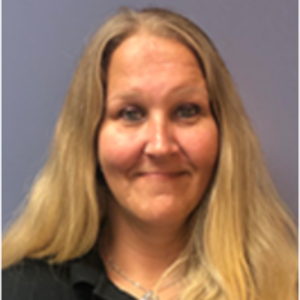
Kristina Jackson
Case Manager

Sherrie Carnicle
Holistic Wellness Coach B.S.

Erica Lyons
Board Certified Licensed Acupuncturist
L.Ac., MSOM
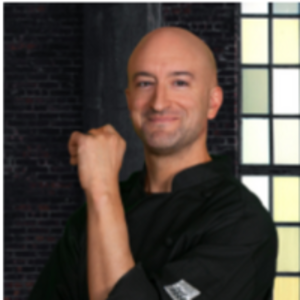
Michael Compean
Chef

Jacob Daffner
Yoga Instructor

Stephen Bagnani
Facilities Director

Alaina Fountain
BHT Operations

Sarah Bush
Facility Manager at Soul Surgery’s First Step

Gina L. Bagley
Facilities Manager

Blayne Archer
Director of Business Development and Admissions
Levels of Care


Your Care Options
Specializations
Alcohol
Using alcohol as a coping mechanism, or drinking excessively throughout the week, signals an alcohol use disorder.
Co-Occurring Disorders
A person with multiple mental health diagnoses, such as addiction and depression, has co-occurring disorders also called dual diagnosis.
Who We Treat
Approaches
Evidence-Based
A combination of scientifically rooted therapies and treatments make up evidence-based care, defined by their measured and proven results.
Holistic
A non-medicinal, wellness-focused approach that aims to align the mind, body, and spirit for deep and lasting healing.
Personalized Treatment
The specific needs, histories, and conditions of individual patients receive personalized, highly relevant care throughout their recovery journey.
Therapies
Equine Therapy
Guided interactions with trained horses, their handler, and a therapist can help patients improve their self-esteem, trust, empathy, and social skills.
Experiential Therapy
With this approach, patients heal by doing. Therapists help patients process difficult emotions to speak, using guided activities like art or dance.
Eye Movement Therapy (EMDR)
Lateral, guided eye movements help reduce the emotional reactions of retelling and reprocessing trauma, allowing intense feelings to dissipate.
Medication-Assisted Treatment
Combined with behavioral therapy, prescribed medications can enhance treatment by relieving withdrawal symptoms and focus patients on their recovery.
Motivational Interviewing
Based on the idea that motivation to change comes from within, providers use a conversational framework to discover personalized methods for change.
Solution Focused, Goal-Oriented Therapy
A quick goal-oriented therapy that helps patients identify their current and future goals, find out how to achieve them, and empower future problem-solving.
Somatic Experiencing
This method treats emotional trauma stored in the body. A therapist helps patients work through the physical feelings associated with emotional pain.
Yoga
Yoga is both a physical and spiritual practice. It includes a flow of movement, breathing techniques, and meditation.
Languages
Conditions We Treat
Anxiety
Anxiety is a common mental health condition that can include excessive worry, panic attacks, physical tension, and increased blood pressure.
Bipolar
This mental health condition is characterized by extreme mood swings between depression, mania, and remission.
Codependency
Codependency is a pattern of emotional dependence and controlling behavior. It's most common among people with addicted loved ones.
Depression
Symptoms of depression may include fatigue, a sense of numbness, and loss of interest in activities. This condition can range from mild to severe.
Personality Disorders
Personality disorders destabilize the way a person thinks, feels, and behaves. If untreated, they can undermine relationships and lead to severe distress.
Trauma
Some traumatic events are so disturbing that they cause long-term mental health problems. Those ongoing issues can also be referred to as "trauma."
Substances We Treat
Co-Occurring Disorders
A person with multiple mental health diagnoses, such as addiction and depression, has co-occurring disorders also called dual diagnosis.
Drug Addiction
Drug addiction is the excessive and repetitive use of substances, despite harmful consequences to a person's life, health, and relationships.