Find Treatment By
Rehabs by Location


Find Treatment By
Learn
About Us
Recovery.com combines independent research with expert guidance on addiction and mental health treatment. Our mission is to help everyone find the best path to recovery through the most comprehensive, helpful network of treatment providers worldwide.
Advisory Council
Our advisory council brings together leaders in behavioral health, technology, and business. Their diverse expertise ensures our resources and product are innovative, evidence-based, and effective. They guide our mission as accomplished individuals dedicated to improving the landscape of addiction recovery and mental wellness.
GHB Overdose Symptoms & Treatment
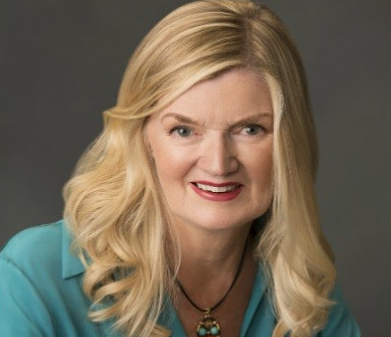
Dr. Anne Brown PhD, RN is a psychotherapist, speaker, coach, and the author of Backbone Power: The Science of Saying No. For over twenty years she served as the trusted advocate and advisor to Influential Corporate leaders, Trial Attorneys, Athletes, Leaders, Physicians and their families.

Dr. Scot Thomas received his medical degree from the University of California, San Diego School of Medicine. During his medical studies, Dr. Thomas saw firsthand the multitude of lives impacted by struggles with substance abuse and addiction, motivating him to seek a clinical psychiatry preceptorship at the San Diego VA Hospital’s Inpatient Alcohol and Drug Treatment Program.

Dr. Anne Brown PhD, RN is a psychotherapist, speaker, coach, and the author of Backbone Power: The Science of Saying No. For over twenty years she served as the trusted advocate and advisor to Influential Corporate leaders, Trial Attorneys, Athletes, Leaders, Physicians and their families.
Dr. Scot Thomas received his medical degree from the University of California, San Diego School of Medicine. During his medical studies, Dr. Thomas saw firsthand the multitude of lives impacted by struggles with substance abuse and addiction, motivating him to seek a clinical psychiatry preceptorship at the San Diego VA Hospital’s Inpatient Alcohol and Drug Treatment Program.
Gamma-hydroxybutyric acid (GHB) is a powerful central nervous system depressant that can cause rapid and unpredictable effects, even in small amounts.
Often misused for its euphoric and sedating properties, it’s also known for its role in drug-facilitated assault due to its ability to impair memory and consciousness. Because the margin between a “recreational” dose and an overdose can be dangerously small, understanding the risks and warning signs of a GHB overdose is essential for staying safe and getting help quickly when it matters most.
Can You Overdose on GHB?
Yes, it’s possible to overdose on GHB. Because GHB is a highly potent sedative, taking too much can quickly lead to severe respiratory depression, loss of consciousness, coma, and death.
GHB Overdose Symptoms
Signs of a GHB overdose may include:2,5
- Nausea
- Vomiting
- Lack of coordination.
- Agitation
- Seizures
- Low body temperature.
- Slowed breathing.
- Slowed heart rate.
- Unconsciousness.
- Coma
If you observe these GHB effects on the body happening to you or someone else, call 911 immediately.
If possible, be ready to tell the dispatcher:
- How much GHB the person took.
- The person’s age, weight, and condition.
- Whether the person took any other drugs.
According to the Substance Abuse and Mental Health Services Administration’s DAWN Report, emergency department visits involving GHB increased from 1,084 in 2006 to 1,787 in 2010.3
In addition, an Australian study found that 53% of a sample of GHB users who had used the drug in the past 6 months had overdosed. Seventy-five percent of those who had used the drug more than 15 times had overdosed. A third had overdosed more than 3 times.4
Explore Drug Addiction Treatment Centers
Risk Factors For GHB Overdose
- Uncertain source. Those purchasing illicit GHB rarely know where it came from, how potent it is, and whether it’s contaminated with any other drugs. Though pharmaceutical grade GHB is manufactured for legitimate medical use, the supply of drug on the street is often produced illegally in U.S. and foreign clandestine labs.1,2,3
- Varying doses. Users may not know how much they are taking and how high the concentration of the dose is.2,3
- Mixing with other drugs. GHB is frequently abused with other drugs that also depress central nervous system functioning, such as alcohol and sedatives.2 This increases the risk of respiratory depression and coma.3 Studies have also found MDMA (Ecstasy), marijuana, methamphetamine, and cocaine in the systems of people who are admitted to emergency departments for a GHB overdose.5
GHB Overdose Treatment
Emergency departments see many cases of GHB overdose that present virtually indistinguishably from other substance overdoses (e.g., generally a profoundly decreased level of consciousness and potential respiratory compromise).5
As such, GHB overdose treatment will begin by maintaining the airway through a breathing tube, gaining IV access for fluid replacement, and other supportive measures. 7 No antidote is available for GHB intoxication.2
Pending blood toxicology reports to confirm the specific substance involved, other overdose treatments may be used, including:5
- Activated charcoal to eliminate the drug and prevent further absorption.
- Ethanol drip (should patients be acidotic and methanol ingestion has yet to be ruled out).
In addition, withdrawal may complicate recovery following GHB overdose treatment. However, there are GHB treatments for withdrawal and its related symptoms which include benzodiazepines. Symptoms of GHB withdrawal can include insomnia, tremors, increased heart rate, and psychotic thoughts.3,7
Can GHB Be Fatal?
GHB overdose death may be averted if the person receives medical care quickly enough.
Can too much GHB kill you? The answer is yes, a person can die from an overdose if their heart rate or breathing stops. However, the likelihood of a GHB death is low if the person can receive medical care soon after overdosing.7
Blood drawn from patients admitted to emergency departments for a GHB overdose have found levels of the drug ranging from 29 to 490 mg/L, with several fatalities reported at levels of 400 or above.5 The International Association of Forensic Toxicologists estimates a level of 280 mg/L is sufficient to lead to death.6
Recovering From A GHB Overdose
GHB is quickly eliminated from the body. If a person receives medical care soon after overdosing, they are likely to regain consciousness and fully recover within 1.5 to 6 hours.5,7
Since many people who overdose on GHB are abusing the drug or other substance, it is recommended that recovering users seek help at an addiction treatment program. A wide variety of options are available to help the person stop using drugs or alcohol and avoid serious side effects from substance abuse. Many GHB users respond well to residential rehab programs. 1
Common options for recovering from a GHB overdose include:
- Inpatient rehab clinics. Inpatient or residential programs usually last between 28 and 90 days. Participants live at the treatment center while receiving detox, medical care, and therapy. Luxury or upscale programs may also offer services such as yoga, art and music therapy, and meditation.
- Outpatient programs. Outpatient programs usually involve group therapy and/or individual therapy. Some programs only meet once or twice a week, while intensive outpatient or partial hospitalization programs may meet several times a week for 4–6 hours at a time.
- 12-Step programs. 12-Step programs use the sequence of recovery steps from Alcoholics Anonymous. Many people work with a sponsor while completing the steps and receive support from others in the program. Narcotics Anonymous is a popular 12-Step program for people in recovery for GHB addiction.
- Individual therapy. A therapist can help you work on many different aspects of your addiction and recovery, from relapse prevention to managing mental health conditions that may have led to your drug abuse.
- Group therapy. Group therapy is a common feature of inpatient and outpatient programs. A therapist facilitates group counseling sessions that allow recovering drug users to give and receive feedback from each other.
Find Treatment Centers for GHB Recovery
If you or someone you love is struggling after a GHB overdose, professional support can be life-changing. Recovery.com makes it easier to find drug and alcohol treatment centers that match your needs—whether you’re looking for detox, inpatient care, outpatient programs, or specialized addiction treatment. Explore trusted options and take the next step toward safety and long-term recovery.
FAQs
-
National Institute on Drug Abuse (2014). Club Drugs (GHB, Ketamine, and Rohypnol). https://www.drugabuse.gov/sites/default/files/drugfacts_clubdrugs_12_2014.pdf
-
Drug Enforcement Administration. Drug Fact Sheet: GHB. https://www.deadiversion.usdoj.gov/drug_chem_info/ghb.pdf
-
Drug Enforcement Administration. (2013). Gamma Hydroxybutyric Acid. https://www.deadiversion.usdoj.gov/drug_chem_info/ghb.pdf















Our Promise
How Is Recovery.com Different?
We believe everyone deserves access to accurate, unbiased information about mental health and recovery. That's why we have a comprehensive set of treatment providers and don't charge for inclusion. Any center that meets our criteria can list for free. We do not and have never accepted fees for referring someone to a particular center. Providers who advertise with us must be verified by our Research Team and we clearly mark their status as advertisers.
Our goal is to help you choose the best path for your recovery. That begins with information you can trust.