Find Treatment By
Rehabs by Location


Find Treatment By
Learn
About Us
Recovery.com combines independent research with expert guidance on addiction and mental health treatment. Our mission is to help everyone find the best path to recovery through the most comprehensive, helpful network of treatment providers worldwide.
Advisory Council
Our advisory council brings together leaders in behavioral health, technology, and business. Their diverse expertise ensures our resources and product are innovative, evidence-based, and effective. They guide our mission as accomplished individuals dedicated to improving the landscape of addiction recovery and mental wellness.



Focus Treatment Centers
Verified Center
This provider's information has been quality-checked by Recovery.com's Research Team for accuracy and completeness, including center verification through appropriate third-party organizations.
Treatment Focus
This center treats substance use disorders and co-occurring mental health conditions. Your treatment plan addresses each condition at once with personalized, compassionate care for comprehensive healing.
Primary Level of Care
Offering intensive care with 24/7 monitoring, residential treatment is typically 30 days and can cover multiple levels of care. Length can range from 14 to 90 days typically.
Treatment Focus
This center treats substance use disorders and co-occurring mental health conditions. Your treatment plan addresses each condition at once with personalized, compassionate care for comprehensive healing.
Primary Level of Care
Offering intensive care with 24/7 monitoring, residential treatment is typically 30 days and can cover multiple levels of care. Length can range from 14 to 90 days typically.
Provider's Policy
Focus is in-network with most major insurance providers, and they will verify benefits on your behalf.
Focus Treatment Centers
Focus Treatment Centers
About Focus Treatment Centers
Focus Treatment Centers offers comprehensive care for individuals struggling with substance use, eating disorders, or a combination of both. Their approach is rooted in compassionate, individualized treatment that honors the mind, body, and soul of each client. The center offers a variety of starting points for individuals facing substance-use challenges, including residential treatment, day treatment, and intensive outpatient programs. For those struggling with eating disorders, they provide specialized residential treatment in an intimate, supportive setting. Focus stands out for its intentionally small, welcoming environment, which they believe is essential for achieving the best outcomes. With a team of expert doctors, therapists, and support staff, Focus Treatment Centers creates a safe space where clients can hone in on the challenging work of recovery, while being supported every step of the way.
Individualized Care. Varied Treatment Options.
At Focus Treatment Centers, the belief in personalized, holistic care that nurtures the whole person—mind, body, and soul—guides their approach. All of their residential and outpatient treatment is framed with both traditional and therapeutic techniques, and they customize each treatment plan to fit the individuality of each client who walks through their doors. Clients can engage in a rich tapestry of healing modalities, ranging from clinically proven acceptance and commitment therapy (ACT) to art therapy to relapse prevention counseling. Many members of their team—which includes doctors, therapists, dietitians, and nurses—have walked their own paths of recovery, so they bring both expertise and empathy to the healing process. At Focus Treatment Centers, they are not just treating conditions; they are empowering individuals to reclaim their lives in a compassionate and understanding environment.
Southeast’s Leader in Integrated Substance Use and Eating Disorder Treatment
Treating substance use and eating disorders requires a thorough understanding of both conditions and the delicate, complex nature of their origin and how they impact the other. Their eating disorder program addresses underlying factors contributing to disordered eating through talk therapy and real-life exposure work. They also offer individualized meal planning and nutrition therapy. For substance use disorders, Focus offers a full spectrum of care, from medical detox to intensive therapy, incorporating evidence-based practices like ACT, cognitive behavioral therapy (CBT), and dialectical behavioral therapy (DBT) alongside outdoor recreational activities, yoga, and expressive therapies. Focus is committed to the success of their clients long after they leave treatment. They offer robust aftercare and alumni programs that provide ongoing support via group outings, accountability check-ins, and free weekly therapy groups for up to a year post-treatment. This continuity of care helps individuals maintain recovery momentum at home.
Intentionally Small & Attentive
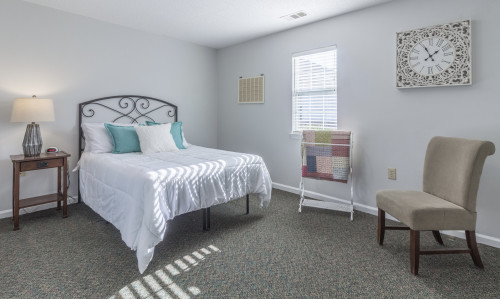
Focus Treatment Centers prides itself on maintaining an intentionally small facility, under the belief that a low staff-to-client ratio is key to providing the most attentive care. This intimate setting allows for a truly personalized approach, where each individual receives the focused attention they need to heal. The center offers private or shared rooms in a space carefully designed for healing, safety, and comfort. With separate units dedicated to eating disorders and substance use, staffed by specially-trained professionals, Focus can address the primary needs of each client, including those with co-occurring disorders. The facility is fully ADA compliant and wheelchair accessible. Beyond the therapeutic spaces, clients can engage in a variety of amenities and activities, from games and movies to more adventurous pursuits like hiking, horseback riding, and ziplining.

Highlights from the Center
Highlights
These highlights are provided by and paid for by the center.
Customized Treatment Plans
Holistic Approach
Trauma-Informed Care
Budget Friendly
Center Overview
Treatment Focus
This center treats substance use disorders and co-occurring mental health conditions. Your treatment plan addresses each condition at once with personalized, compassionate care for comprehensive healing.
Joint Commission Accredited
The Joint Commission accreditation is a voluntary, objective process that evaluates and accredits healthcare organizations (like treatment centers) based on performance standards designed to improve quality and safety for patients. To be accredited means the treatment center has been found to meet the Commission's standards for quality and safety in patient care.

Insurance Accepted






Cash Pay Rates
Estimated Cash Pay Rate
Center pricing can vary based on program and length of stay. Contact the center for more information. Recovery.com strives for price transparency so you can make an informed decision.
Meet Your Care Team

Blake Defoor
CEO

Jennifer Massengale
Executive Director
RN

Simon Choi
Medical Director
MD

Bonnie Watson
Director Of Clinical Services
LPC-MHSP
Addie Bramlett
Director Of Eating Disorder Programs
RDN, LDN, CEDS-C
Nicole Wade-Thibodeaux
Substance Use Disorder Program Director Of Patient & Family Services
MS, ATR-BC
Christina Lindon Leichman
Director of Nursing & Medical Services
LPN
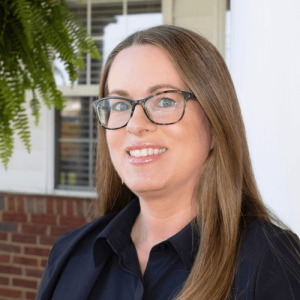
Courtney Stoddard
Director Of Eating Disorder Outpatient Services
MS, RD, LDN, CEDS-C
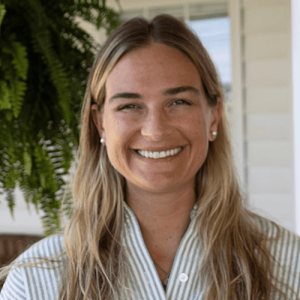
Abigail Smith
Eating Disorder Clinical Manager
MA, LPC-MHSP
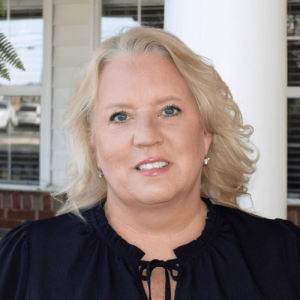
Patti Thompson
Executive Nurse Administration Coordinator
LPN


Levels of Care


Your Care Options
Specializations
Alcohol
Using alcohol as a coping mechanism, or drinking excessively throughout the week, signals an alcohol use disorder.
Chronic Relapse
Consistent relapse occurs repeatedly, after partial recovery from addiction. This condition requires long-term treatment.
Co-Occurring Disorders
A person with multiple mental health diagnoses, such as addiction and depression, has co-occurring disorders also called dual diagnosis.
Cocaine
Cocaine is a stimulant with euphoric effects. Agitation, muscle ticks, psychosis, and heart issues are common symptoms of cocaine abuse.
Drug Addiction
Drug addiction is the excessive and repetitive use of substances, despite harmful consequences to a person's life, health, and relationships.
Methamphetamine
Methamphetamine, or meth, increases energy, agitation, and paranoia. Long-term use can result in severe physical and mental health issues.
Opioids
Opioids produce pain-relief and euphoria, which can lead to addiction. This class of drugs includes prescribed medication and the illegal drug heroin.
Prescription Drugs
It's possible to abuse any drug, even prescribed ones. If you crave a medication, or regularly take it more than directed, you may have an addiction.
Who We Treat
Young Adults
Emerging adults ages 18-25 receive treatment catered to the unique challenges of early adulthood, like college, risky behaviors, and vocational struggles.
Men and Women
Men and women attend treatment for addiction in a co-ed setting, going to therapy groups together to share experiences, struggles, and successes.
Midlife Adults
For adults ages 40+, treatment shifts to focus on the unique challenges, blocks, and risk factors of their age group, and unites peers in a similar community.
Mild Disabilities
Adults with mild physical or intellectual disabilities receive treatment catered to their specific needs in a safe and clinically supportive environment.
Pregnant Women
Addiction and mental health treatment meets the clinical and psychological needs of pregnant women, ensuring they receive optimal care in all areas.
Veterans
Patients who completed active military duty receive specialized treatment focused on trauma, grief, loss, and finding a new work-life balance.
Approaches
Evidence-Based
A combination of scientifically rooted therapies and treatments make up evidence-based care, defined by their measured and proven results.
Individual Treatment
Individual care meets the needs of each patient, using personalized treatment to provide them the most relevant care and greatest chance of success.
Medical
Medical addiction treatment uses approved medications to manage withdrawals and cravings, and to treat contributing mental health conditions.
Twelve Step
Incorporating spirituality, community, and responsibility, 12-Step philosophies prioritize the guidance of a Higher Power and a continuation of 12-Step practices.
Therapies
1-on-1 Counseling
Patient and therapist meet 1-on-1 to work through difficult emotions and behavioral challenges in a personal, private setting.
Acceptance and Commitment Therapy (ACT)
This cognitive behavioral therapy teaches patients to accept challenging feelings and make the appropriate changes to reach personal goals.
Adventure Therapy
This experiential approach uses the physical and emotional challenges of outdoor activities as tools for personal growth.
Art Therapy
Visual art invites patients to examine the emotions within their work, focusing on the process of creativity and its gentle therapeutic power.
Equine Therapy
Guided interactions with trained horses, their handler, and a therapist can help patients improve their self-esteem, trust, empathy, and social skills.
Expressive Arts
Creative processes like art, writing, or dance use inner creative desires to help boost confidence, emotional growth, and initiate change.
Family Therapy
Family therapy addresses group dynamics within a family system, with a focus on improving communication and interrupting unhealthy relationship patterns.
Languages
Conditions We Treat
Anxiety
Anxiety is a common mental health condition that can include excessive worry, panic attacks, physical tension, and increased blood pressure.
Bipolar
This mental health condition is characterized by extreme mood swings between depression, mania, and remission.
Codependency
Codependency is a pattern of emotional dependence and controlling behavior. It's most common among people with addicted loved ones.
Depression
Symptoms of depression may include fatigue, a sense of numbness, and loss of interest in activities. This condition can range from mild to severe.
Eating Disorders
An eating disorder is a long-term pattern of unhealthy behavior relating to food. Most people with eating disorders have a distorted self-image.
Post Traumatic Stress Disorder
PTSD is a long-term mental health issue caused by a disturbing event or events. Symptoms include anxiety, dissociation, flashbacks, and intrusive thoughts.
Trauma
Some traumatic events are so disturbing that they cause long-term mental health problems. Those ongoing issues can also be referred to as "trauma."
Substances We Treat
Alcohol
Using alcohol as a coping mechanism, or drinking excessively throughout the week, signals an alcohol use disorder.
Benzodiazepines
Benzodiazepines are prescribed to treat anxiety and sleep issues. They are highly habit forming, and their abuse can cause mood changes and poor judgement.
Chronic Relapse
Consistent relapse occurs repeatedly, after partial recovery from addiction. This condition requires long-term treatment.
Co-Occurring Disorders
A person with multiple mental health diagnoses, such as addiction and depression, has co-occurring disorders also called dual diagnosis.
Cocaine
Cocaine is a stimulant with euphoric effects. Agitation, muscle ticks, psychosis, and heart issues are common symptoms of cocaine abuse.
Drug Addiction
Drug addiction is the excessive and repetitive use of substances, despite harmful consequences to a person's life, health, and relationships.
Heroin
Heroin is a highly addictive and illegal opioid. It can cause insomnia, collapsed veins, heart issues, and additional mental health issues.
Methamphetamine
Methamphetamine, or meth, increases energy, agitation, and paranoia. Long-term use can result in severe physical and mental health issues.
Aftercare
Care Designed for Your Needs
Personal Amenities
Amenities
Special Considerations
Center Pets
Addiction and mental health facilities with pets allow patients to interact with friendly dogs, cats, horses, and in some cases, even dolphins.
Activities
Yoga
Yoga is both a physical and spiritual practice. It includes a flow of movement, breathing techniques, and meditation.