Find Treatment By
Rehabs by Location


Find Treatment By
Learn
About Us
Recovery.com combines independent research with expert guidance on addiction and mental health treatment. Our mission is to help everyone find the best path to recovery through the most comprehensive, helpful network of treatment providers worldwide.
Advisory Council
Our advisory council brings together leaders in behavioral health, technology, and business. Their diverse expertise ensures our resources and product are innovative, evidence-based, and effective. They guide our mission as accomplished individuals dedicated to improving the landscape of addiction recovery and mental wellness.
Ativan Addiction
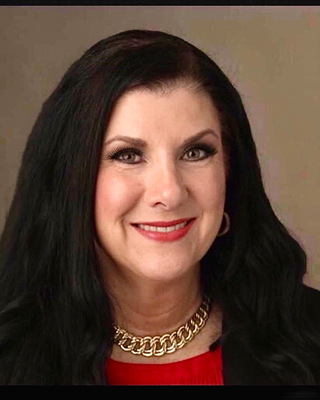
Leah Walker is a licensed marriage and family therapist. She has over 20 years of clinical experience working with children, adolescents, and adults, and has a clinical focus in family relations, substance abuse, and trauma.

Kristen Fuller, M.D., enjoys writing about evidence-based topics in the cutting-edge world of mental health and addiction medicine and contributes to medicine board education.

Leah Walker is a licensed marriage and family therapist. She has over 20 years of clinical experience working with children, adolescents, and adults, and has a clinical focus in family relations, substance abuse, and trauma.
Kristen Fuller, M.D., enjoys writing about evidence-based topics in the cutting-edge world of mental health and addiction medicine and contributes to medicine board education.
Ativan is the brand name for the prescription medication known as lorazepam, which is a type of benzodiazepine.1 Ativan is often prescribed for short-term relief of anxiety and to treat insomnia.1,4
However, Ativan addiction and misuse are possible, especially with long-term use. Understanding what Ativan is, its dangers for misuse and addiction, and how to find help for Ativan addiction can be vital first steps in achieving recovery.
What Is Ativan?
Ativan is the brand name for the generic drug lorazepam, which is classified as a benzodiazepine, also known as sedative-hypnotics. Benzodiazepines, in addition to Ativan, include medications like Valium, Klonopin, and Xanax.1
Benzodiazepines produce sedation, relieve anxiety, help prevent seizures, and control muscle spasms.1 Ativan is a Schedule IV drug, which means it has the potential for dependence with long-term use.2 It is administered by mouth as a tablet or capsule, as well as in an injectable form.2
Explore Benzodiazepines Treatment Centers
What Is Ativan Used For?
Ativan is FDA approved when prescribed for the short-term (four months or less) management of specific anxiety disorders and anxiety-related insomnia. It’s also used for preventing seizures and as a medication given before anesthesia to lessen anxiety or help people go under sedation.2
Ativan is not meant to be prescribed for relief of everyday stress or tension, but rather for symptoms of specific anxiety disorders, or the anxiety symptoms that can stem from a depressive disorder.4
At times, doctors may prescribe Ativan for “off-label” uses, which are not explicitly FDA approved, which include:2
- Sedation for agitation.
- Alcohol withdrawal.
- Alcohol withdrawal delirium.
- Nausea from chemotherapy.
How Does Ativan Work?
Ativan, like all benzodiazepines, affects the central nervous system (CNS).1 Ativan binds to the benzodiazepine receptors located on the GABA-A (Gamma-Aminobutyric Acid) neurons, which are located at numerous places in the CNS.2
Ativan increases the inhibitory effects of GABA and slows down the activity of the CNS.2 This GABA activity will lessen anxiety by inhibiting the activity of the amygdala and can also prevent seizures by slowing down the activity of the cerebral cortex.2
Side Effects of Ativan
As is common with most benzodiazepines, side effects from Ativan tend to be more severe with higher doses.2 When you take Ativan, you might experience some of the common short-term side effects associated with benzos, which include:4
- Dizziness.
- Sedation.
- Weakness.
- Unsteadiness.
Some people may also experience less common, adverse side effects including:4
- Confusion.
- Drowsiness.
- Memory problems.
- Sexual functioning issues.
- Depression.
- Euphoria.
- Visual disturbances.
- Increased anxiety.
At times, people can experience serious complications from taking Ativan, which include:2
- Respiratory depression and/or failure.
- Suicidal thoughts.
- Seizures.
- Low blood.
- Irregular heartbeat.
- Aggression.
- Fainting (syncope).
Elderly people are more likely to experience adverse side effects from Ativan, including increased unsteadiness and drowsiness.4 Other substances like cough syrup, muscle relaxers, opioids, alcohol, cold medicine, and sleep aids can intensify these adverse effects of Ativan.2
Is Ativan Addictive?
Ativan and other benzodiazepines do have the potential for misuse, dependence, and addiction.2 Even when Ativan is prescribed by a physician, people can become dependent upon it, which is why it is recommended for short-term use only.4 Taking Ativan for more than a few weeks is only recommended with careful supervision and evaluation by a doctor.4
Dependence is the body’s physiological adaptation to a substance like Ativan. The body becomes so used to Ativan being present in the system that when a person cuts back or quits Ativan, withdrawal symptoms can occur. With significant levels of physiological dependence, a person may continue to compulsively use Ativan or other drugs to avoid unwanted withdrawal symptoms.1,5
It is important to understand that dependence does not necessarily indicate that a person is addicted to Ativan, though addiction can follow physical dependence.5 Addiction is the compulsive use of a substance, despite negative consequences, and the inability to stop using it.5
Signs of Ativan Addiction
Ativan addiction can only be formally diagnosed by a trained, licensed medical professional; however, the following criteria may be helpful in identifying a need for help with Ativan misuse.
Officially, an Ativan addiction is classified as a sedative, hypnotic, or anxiolytic use disorder in the Diagnostic and Statistical Manual of Mental Disorders, 5TH Edition (DSM-5).6 When a person has at least 2 of these criteria within the last 12 months, it can indicate the presence of the disorder:6
- Ativan or another benzodiazepine sedative-hypnotic is taken in larger amounts than was intended, or over a longer period than was intended.
- There is a persistent desire or unsuccessful attempts to cut down or otherwise control the use of Ativan.
- A great deal of time is spent in activities necessary to obtain Ativan or recover from the effects of using Ativan.
- The person has intense cravings, or a strong desire to use Ativan.
- Recurrent use of Ativan that results in a failure to fulfill major role obligations at work, school, or home.
- Continued use of Ativan, despite having ongoing social or interpersonal relationship problems either caused or worsened by the effects of Ativan.
- Because of using Ativan, a person gives up or reduces important social, occupational, or recreational activities.
- Recurrent use of Ativan in physically hazardous situations, such as driving a car while impaired by Ativan.
- Continued use of Ativan despite the knowledge that a recurrent physical or psychological problem which was likely caused or exacerbated by using Ativan.
- Tolerance, which is defined as either a need for increased amounts of Ativan to achieve the desired effect or a markedly diminished effect with continued use of the same dosage of Ativan.
- Withdrawal, as indicated by either displaying the characteristic withdrawal symptoms for Ativan or if Ativan is taken to avoid withdrawal symptoms.
Ativan Withdrawal
As noted in previous sections, when a person takes Ativan, even under medical supervision, there is potential to develop a psychological and physical dependence on it.4 As the body becomes adapted to Ativan’s effects, the brain and body need it to keep functioning normally. If Ativan use is stopped, a person who is dependent will show signs of withdrawal.
Benzodiazepine withdrawal symptoms include:4
- Insomnia.
- Anxiety.
- Restlessness.
- Panic attacks.
- Tremors.
- Irritability.
- Confusion.
- Involuntary movements.
- Nausea and vomiting.
- Loss of appetite.
Some of the most concerning symptoms of withdrawal are delirium and seizures, which can occur if someone is dependent on a benzodiazepine, such as Ativan.7 Ativan withdrawal symptoms can occur even if there are no other signs of withdrawal present.7 There is also evidence that seizures can occur late in the withdrawal timeline with short-acting benzos like Ativan.7
Ativan and Pregnancy
The use of Ativan during pregnancy is only recommended if the benefits outweigh the potential cost, but it should only be used with extreme caution.2
Ativan has been linked to an increased risk of cleft palate and related disorders if given to pregnant women in the first trimester. In the second trimester, there is concern that the baby could be born dependent on Ativan.2
While Ativan is potentially dangerous for unborn babies, the drug does not appear to have harmful outcomes if taken by a nursing mother. Ativan is found at low levels in breast milk and is relatively safe when given to women at the typical maternal dose, with no adverse effects noted for babies.2
Can You Overdose on Ativan?
Yes, Ativan overdose can result from either miscalculating the dose, taking Ativan in conjunction with other substances such as alcohol, or taking it with the intention to cause self-harm. Treatment options such as a psychological evaluation and drug rehabilitation are recommended after an Ativan overdose.
Signs and Symptoms of Ativan Overdose
The most common symptoms associated with overdosing on Ativan are:
- Confusion.
- Impaired coordination.
- Slow reflexes.
- Shallow breathing.
- Clammy skin.
- A weak and/or rapid heart rate.
- Enlarged (dilated) pupils.
- Coma.
- Death (possible).
What to Do If Someone Is Overdosing on Ativan
Calling 911 is the fastest way to get treatment for an overdose and reduce the risk of long-term negative effects or death. If you are with someone who is overdosing, there are several actions you can take while waiting for emergency services, such as:
- Staying calm.
- Trying to keep the person conscious.
- Putting the person on his or her left side so the airway remains clear, if he or she is vomiting.
- Observing the person to make sure she or he is still breathing and administering cardiopulmonary resuscitation (CPR) if necessary.
- Finding out how much Ativan the person took, when, and whether he or she ingested other drugs.
Ativan Overdose Treatment
Typical Ativan overdose treatment includes the following:3,7,8
- Maintaining the airway: Medical staff will assess the person’s airway, breathing, and circulation. They may insert a breathing tube, if necessary.
- Gastric lavage, or stomach pumping: During this procedure, medical staff will insert a tube into the mouth and down to the stomach in an attempt to flush out and remove any unabsorbed Ativan remaining.
- Intravenous fluids: IV fluids are administered to maintaining hydration and to facilitate administration of other medications that can be essential to recovery.
- Flumazenil: This drug is a benzodiazepine antagonist, meaning that it can help counteract some of the Ativan overdose symptoms. However, it can cause seizures in those with benzodiazepine dependence.
Treatment for Ativan Addiction
When a person has an addiction to Ativan or another benzodiazepine, there are several treatment options available.
In general, it is recommended that people who have been on a benzodiazepine for a period of time should undergo a supervised detox and withdrawal, which focuses on tapering off Ativan.7 Sometimes detox can involve the use of other benzos or a drug called phenobarbital during the tapering process.7
Other treatment settings that may offer detox and other interventions include inpatient and outpatient programs.7 Outpatient treatment can last from a few hours a week up to 20 hours per week, where you get the same type of interventions and assessments that are available in inpatient treatment, but you can go home at night and on the weekends.7
Inpatient treatment requires people to stay overnight in the facility during treatment to receive around-the-clock care.
Start Your Recovery Journey
If you’re ready to find addiction treatment for yourself or a loved one, we’re here to help. Browse top medical detox centers in the US, inpatient addiction treatment facilities, aftercare options, and more to start on the path to recovery. You can search for rehab by insurance carrier, location, amenities, and more for free. Don’t wait. Get help today.
Frequently Asked Questions
-
1. Department of Justice/Drug Enforcement Administration. (2020). Benzodiazepines.
-
Ghiasi N, Bhansali RK, Marwaha R. Lorazepam. (2022 Feb 7). In: StatPearls [Internet]. Treasure Island (FL): StatPearls Publishing; 2022 Jan-. https://www.ncbi.nlm.nih.gov/books/NBK532890/
-
National Institute on Drug Abuse. (2022, April 21). Benzodiazepines and opioids.
-
Food and Drug Administration. (2016). Ativan C-IV (lorazepam).
-
Szalavitz, M., Rigg, K. K., & Wakeman, S. E. (2021). Drug dependence is not addiction-and it matters. Annals of medicine, 53(1), 1989–1992. https://www.ncbi.nlm.nih.gov/pmc/articles/PMC8583742/
-
American Psychiatric Association. (2013). Diagnostic and statistical manual of mental disorders (5th ed.). Washington, DC.
-
Center for Substance Abuse Treatment. Detoxification and Substance Abuse Treatment. Treatment Improvement Protocol (TIP) Series, No. 45. HHS Publication No. (SMA) 15-4131. Rockville, MD: Center for Substance Abuse Treatment, 2006. https://store.samhsa.gov/sites/default/files/d7/priv/sma15-4131.pdf














Our Promise
How Is Recovery.com Different?
We believe everyone deserves access to accurate, unbiased information about mental health and recovery. That's why we have a comprehensive set of treatment providers and don't charge for inclusion. Any center that meets our criteria can list for free. We do not and have never accepted fees for referring someone to a particular center. Providers who advertise with us must be verified by our Research Team and we clearly mark their status as advertisers.
Our goal is to help you choose the best path for your recovery. That begins with information you can trust.