Find Treatment By
Rehabs by Location


Find Treatment By
Learn
About Us
Recovery.com combines independent research with expert guidance on addiction and mental health treatment. Our mission is to help everyone find the best path to recovery through the most comprehensive, helpful network of treatment providers worldwide.
Advisory Council
Our advisory council brings together leaders in behavioral health, technology, and business. Their diverse expertise ensures our resources and product are innovative, evidence-based, and effective. They guide our mission as accomplished individuals dedicated to improving the landscape of addiction recovery and mental wellness.

AdCare Hospital
Verified Center
This provider's information has been quality-checked by Recovery.com's Research Team for accuracy and completeness, including center verification through appropriate third-party organizations.
Treatment Focus
This center treats substance use disorders and co-occurring mental health conditions. Your treatment plan addresses each condition at once with personalized, compassionate care for comprehensive healing.
Primary Level of Care
Provides 24/7 medical supervision and intensive treatment in a clinical setting for individuals in crisis or with acute needs, focusing on stabilization and immediate safety
Treatment Focus
This center treats substance use disorders and co-occurring mental health conditions. Your treatment plan addresses each condition at once with personalized, compassionate care for comprehensive healing.
Primary Level of Care
Provides 24/7 medical supervision and intensive treatment in a clinical setting for individuals in crisis or with acute needs, focusing on stabilization and immediate safety
Provider's Policy
AdCare facilities, located in Massachusetts and Rhode Island, provide various levels of care, with some facilities offering medical detox and inpatient rehab and others providing outpatient therapy. Your insurance plan may cover one or more of these levels of care, depending on your plan.
AdCare Hospital
AdCare Hospital
About AdCare Hospital
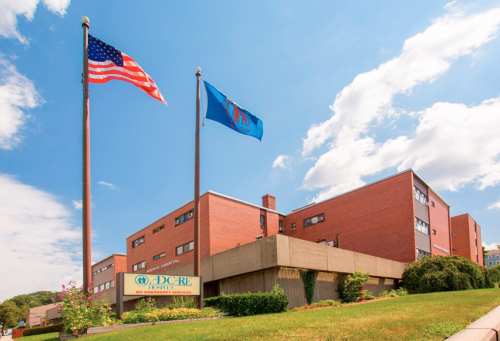
AdCare Hospital provides medical detox and inpatient treatment for addiction and co-occurring mental health conditions. They’re a level 4 facility with crisis stabilization services, experienced clinical staff, and 114 beds. AdCare Hospital addresses co-occurring mental health and medical conditions in their residential treatment. Each client receives an individualized care plan tailored to their unique diagnosis, treatment needs, and recovery goals.
Experienced Professionals Providing Evidence-Based Care
AdCare Hospital’s robust clinical staff includes physicians, clinicians, nurses, licensed nurse practitioners, counselors, and case managers. Clients start developing their continued care plan right away. AdCare Hospital includes loved ones throughout treatment with family therapy. Other therapies at AdCare Hospital include cognitive behavioral therapy (CBT), cognitive processing therapy (CPT), motivational interviewing techniques, and acceptance and commitment therapy (ACT). Clients meet with their counselor at least once a week.
Treating Co-Occurring Addiction and Mental Health
AdCare Hospital offers 2 levels of residential care. Rehabilitation services cater to those with co-occurring mental or medical health conditions requiring clinical care. Their acute residential services help those with more stable co-occurring mental or clinical conditions. AdCare Hospital’s crisis stabilization services provide medications and therapy to stabilize mental health and addiction symptoms. Clients can be admitted directly from emergency rooms or psychiatric hospitals.
Group Healing, Restorative Amenities, and Aftercare
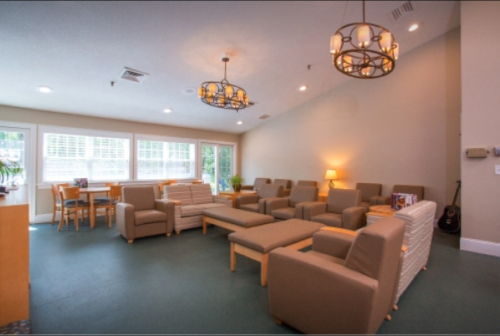
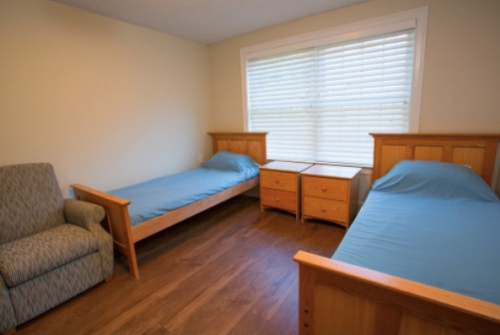
Clients at AdCare Hospital attend 5-7 hours of daily group therapy. Specialized groups cater to the needs of veterans, first responders, and those in the LGBTQ+ community. Clients can enjoy holistic therapies and wellness services, like art and music therapy, gym access, basketball, and acupuncture. They share comfortable semi-private rooms and receive 24/7 supervision from staff. After completing treatment, each client develops a thorough continuing care plan and joins AdCare Hospital’s alumni program. Alumni meet every Thursday evening to stay connected to support.

Highlights from the Center
Highlights
These highlights are provided by and paid for by the center.
Medically Assisted Detox
Certified Professionals
Trauma-Informed Care
Addiction Recovery
Center Overview
Treatment Focus
This center treats substance use disorders and co-occurring mental health conditions. Your treatment plan addresses each condition at once with personalized, compassionate care for comprehensive healing.
Joint Commission Accredited
The Joint Commission accreditation is a voluntary, objective process that evaluates and accredits healthcare organizations (like treatment centers) based on performance standards designed to improve quality and safety for patients. To be accredited means the treatment center has been found to meet the Commission's standards for quality and safety in patient care.

Insurance Accepted












More American Addiction Centers Locations




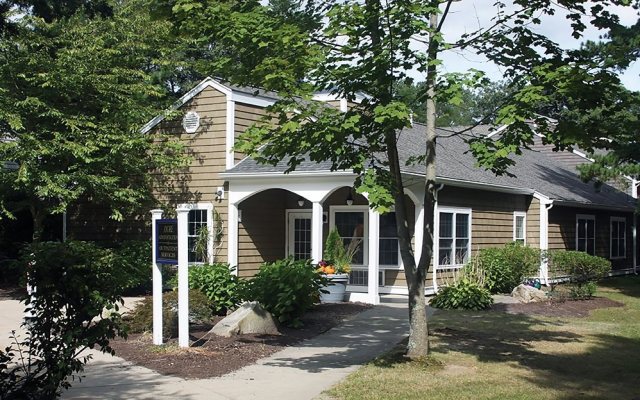
Recovery.com Verified Listing
Recovery.com verified that the name, location, contact information and license to operate for this treatment provider are valid and up-to-date.
Joint Commission Accredited

Licensed by Massachusetts
Recovery.com is an independent, third-party mental health resource. Verification does not imply endorsement and does not guarantee the quality of treatment services.
Meet Your Care Team

Dr. Romas Buivydas
CEO
PhD, LMHC, Certified Diplomate of the American Psychotherapy Association, Certified Diplomate of the American Board of Psychological Specialties

Sarah Horgan
Chief Operating Officer and Director of Admissions

Marcella Rivard
Chief Financial Officer and Corporate Treasurer
C.P.A, M.B.A.

Dr. Mohammad Alhabbal
Medical Director
MD, Certified by the American Academy of Family Physicians (AAFP), Certified by the American Board of Addiction Medicine (ABAM)
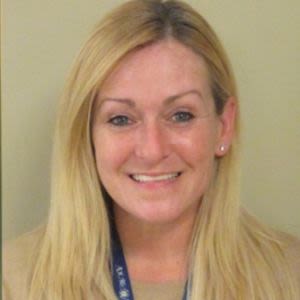
Heidi Souza
Clinical Director of Inpatient Services
MA, NCC, LADC-II, CADC-I

Neil Gaer
Executive Director, Outpatient Services
MPA

Kara Levinson
Director of Nursing
RN, LPN, BSN, MBA

Andrea Dayotas
Executive Director of Inpatient Services
MA, CAGS, LMHC
Your Care Options
Specializations
Residential
In a residential rehab program, patients live onsite, with access to daily treatment and 24-hour care. An average stay is 30-90 days.
Co-Occurring Disorders
A person with multiple mental health diagnoses, such as addiction and depression, has co-occurring disorders also called dual diagnosis.
Drug Addiction
Drug addiction is the excessive and repetitive use of substances, despite harmful consequences to a person's life, health, and relationships.
LGBTQ+
Addiction and mental illnesses in the LGBTQ+ community must be treated with an affirming, safe, and relevant approach, which many centers provide.
Medication-Assisted Treatment
Combined with behavioral therapy, prescribed medications can enhance treatment by relieving withdrawal symptoms and focus patients on their recovery.
Detox
Detox fully and safely removes toxic substances from the body, allowing the next steps in treatment to begin with a clean slate.
Alcohol
Using alcohol as a coping mechanism, or drinking excessively throughout the week, signals an alcohol use disorder.
Who We Treat
Men and Women
Men and women attend treatment for addiction in a co-ed setting, going to therapy groups together to share experiences, struggles, and successes.
Treatment Services
Accepts Patients with Prescribed Medications for Alcohol Use Disorder
The provider accepts patients with prescribed medications for addiction treatment, also known as Medication-Assisted Treatment (MAT), for alcohol use.
Accepts Patients with Prescribed Medications for Opioid Use Disorder
The provider accepts patients with prescribed medications for addiction treatment, also known as Medication-Assisted Treatment (MAT), for opioid use.
Day Treatment
In a PHP, patients live at home but follow an intensive schedule of treatment. Most programs require you to be on-site for about 40 hours per week.
Detox
Detox fully and safely removes toxic substances from the body, allowing the next steps in treatment to begin with a clean slate.
Intensive Outpatient Program
In an IOP, patients live at home or a sober living, but attend treatment typically 9-15 hours a week. Most programs include talk therapy, support groups, and other methods.
Outpatient
During outpatient rehab, patients attend a structured treatment program while continuing to live at home.
Approaches
Evidence-Based
A combination of scientifically rooted therapies and treatments make up evidence-based care, defined by their measured and proven results.
Individual Treatment
Individual care meets the needs of each patient, using personalized treatment to provide them the most relevant care and greatest chance of success.
Twelve Step
Incorporating spirituality, community, and responsibility, 12-Step philosophies prioritize the guidance of a Higher Power and a continuation of 12-Step practices.
Therapies
1-on-1 Counseling
Patient and therapist meet 1-on-1 to work through difficult emotions and behavioral challenges in a personal, private setting.
Art Therapy
Visual art invites patients to examine the emotions within their work, focusing on the process of creativity and its gentle therapeutic power.
Family Therapy
Family therapy addresses group dynamics within a family system, with a focus on improving communication and interrupting unhealthy relationship patterns.
Life Skills
Teaching life skills like cooking, cleaning, clear communication, and even basic math provides a strong foundation for continued recovery.
Medication-Assisted Treatment
Combined with behavioral therapy, prescribed medications can enhance treatment by relieving withdrawal symptoms and focus patients on their recovery.
Motivational Interviewing
Based on the idea that motivation to change comes from within, providers use a conversational framework to discover personalized methods for change.
Languages
Conditions We Treat
ADHD, ADD
ADHD is a common mental health condition caused by dopamine imbalance. Common symptoms include inattention, hyperactivitiy, and impulsivity.
Anger
Although anger itself isn't a disorder, it can get out of hand. If this feeling interferes with your relationships and daily functioning, treatment can help.
Anxiety
Anxiety is a common mental health condition that can include excessive worry, panic attacks, physical tension, and increased blood pressure.
Bipolar
This mental health condition is characterized by extreme mood swings between depression, mania, and remission.
Codependency
Codependency is a pattern of emotional dependence and controlling behavior. It's most common among people with addicted loved ones.
Depression
Symptoms of depression may include fatigue, a sense of numbness, and loss of interest in activities. This condition can range from mild to severe.
Grief and Loss
Grief is a natural reaction to loss, but severe grief can interfere with your ability to function. You can get treatment for this condition.
Substances We Treat
Alcohol
Using alcohol as a coping mechanism, or drinking excessively throughout the week, signals an alcohol use disorder.
Benzodiazepines
Benzodiazepines are prescribed to treat anxiety and sleep issues. They are highly habit forming, and their abuse can cause mood changes and poor judgement.
Chronic Relapse
Consistent relapse occurs repeatedly, after partial recovery from addiction. This condition requires long-term treatment.
Co-Occurring Disorders
A person with multiple mental health diagnoses, such as addiction and depression, has co-occurring disorders also called dual diagnosis.
Cocaine
Cocaine is a stimulant with euphoric effects. Agitation, muscle ticks, psychosis, and heart issues are common symptoms of cocaine abuse.
Drug Addiction
Drug addiction is the excessive and repetitive use of substances, despite harmful consequences to a person's life, health, and relationships.
Heroin
Heroin is a highly addictive and illegal opioid. It can cause insomnia, collapsed veins, heart issues, and additional mental health issues.
Opioids
Opioids produce pain-relief and euphoria, which can lead to addiction. This class of drugs includes prescribed medication and the illegal drug heroin.
Aftercare
Care Designed for Your Needs
Personal Amenities
Amenities
Special Considerations
Gender-specific groups
Patients in gender-specific groups gain the opportunity to discuss challenges unique to their gender in a comfortable, safe setting conducive to healing.
Flexible technology policies
Centers with flexible technology policies allow professionals to stay in touch with work and give patients a greater sense of connection and normalcy.
Activities
Yoga
Yoga is both a physical and spiritual practice. It includes a flow of movement, breathing techniques, and meditation.
Off-Site Amenities
Smoking and Vaping Policy
Learn More About the Center
Family Services
Learn more about the benefits of family services and family counseling, and see when AdCare offers virtual family education groups.
Admissions at AdCare And What to Expect
See what to expect during the admissions process at AdCare Hospital, plus what to expect in treatment.
AdCare Hospital’s Brand Promise
AdCare Hospital, part of American Addiction Centers, shares their brand promise of complimentary treatment in the event of a relapse after 90 consecutive days of treatment.
Testimonials And Reviews from Alumni
Read what past clients of AdCare Worcester have said about the treatment they received, and watch videos of former alumni.